
The Quiet Rise of Shoulder Season Travel
Across certain pockets of the internet, travellers fervently speculate about how the term ‘shoulder season’ got its name. Some put it down to the extra layers one might throw over their shoulders as the weather fluctuates. Others suggest it refers to the sloping ‘shoulders’ either side of peak season on a graph. The list goes on.
While the name’s origin may be up for debate, shoulder season’s growing appeal to a certain kind of traveller is clear. Once regarded as the compromise between high and low season, it is becoming the preference in its own right.
But what’s causing the shift? One factor overwhelmingly points to weather, with peak season no longer guaranteeing ideal conditions. Europe has seen both ends of the spectrum this summer, from extreme heat and wildfires to torrential rainfall and flooding. And the data is telling: 76% of Europeans say climate-related factors are influencing their travel behaviour.
In turn, destinations are stretching their seasons, with Greece seeing particularly strong demand during the months of April, May, September and October. Meanwhile, Florence’s grand dame, Villa San Michele, A Belmond Hotel, announced in August 2026 that it would be extending its season for the first time, remaining open throughout autumn and beyond for guests to enjoy the region at a slower pace.
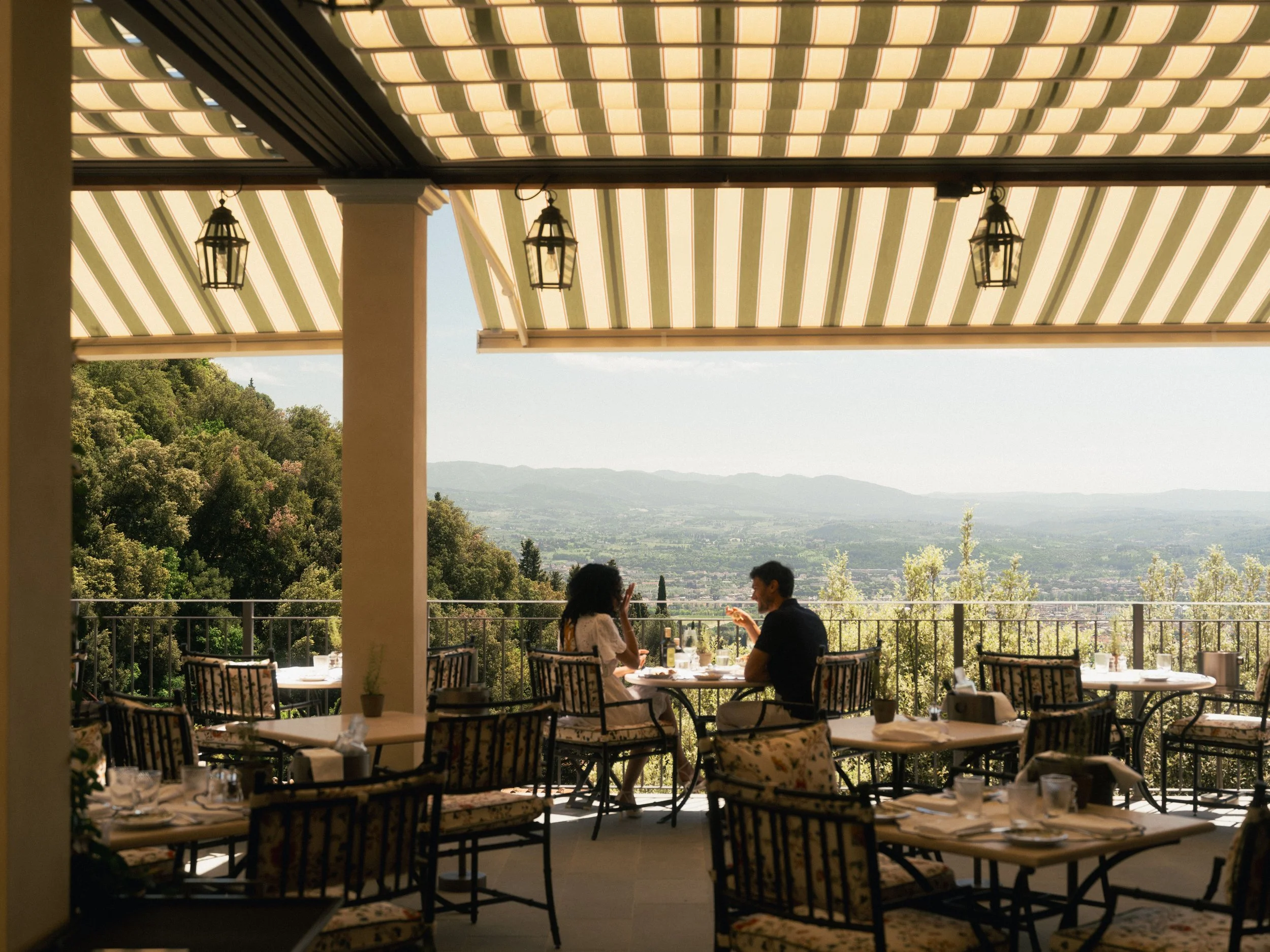
Villa San Michele, A Belmond Hotel, Florence · Photography courtesy of Belmond
This desire to experience a place without the high season hubbub is also driving shoulder season demand. Even with perfect weather, destinations operating at maximum capacity aren’t always seen at their best. When restaurants are teeming, beaches crowded and landmarks overwhelmed, it can feel less like living in the moment and more like surviving it.
Another factor behind shoulder season’s rise is the growing interest in wellness travel. An escape that puts wellbeing front and centre doesn’t necessarily depend on the height of summer. In fact, cooler temperatures and quieter surroundings can make the experience more appealing.
And so, for travellers who aren’t restricted by immovable calendar commitments such as school holidays or rigid annual leave, choosing September over August might have little to do with saving money. It’s about seeing the same destination in a different light; with more breathing space and a gentler pace.
High season isn’t going anywhere, of course, and for many it will always be the preferred time to travel – whether by choice or necessity. Yet shoulder season is attracting a growing number of travellers who appreciate that the most popular time to visit somewhere isn’t necessarily the best time to experience it.